AstroVision

AstroVision

Discover secrets of space

Astrophotography

Amateur astrophotographer documenting the cosmos from dark sites across Europe.

Thousands of hours of integration time spent chasing nebulae, galaxies, and the stories

written in starlight

Scroll↓
2000+

Hours of Integration

2

Years Observing

100+

Dark Sky Sessions

20+

Objects Captured

The Person Behind the Lens

I’m a deep-sky astrophotographer passionate about revealing the hidden structures of the universe through long-exposure imaging. What started as a childhood fascination with the stars grew into a technical obsession.

This site is where I share my images, processing techniques, gear reviews, and everything I’ve learned about bringing the deep sky to life.

Expertise

🔹 Narrowband Imaging

🔹 Siril Processing

🔹 Ha/OIII/SII Palette

🔹 Gimp Finalization

🔹 Plate Solving & Astrometry

🔹 Guiding & PHD2

The Gallery

Selected images from years of dark–sky sessions.

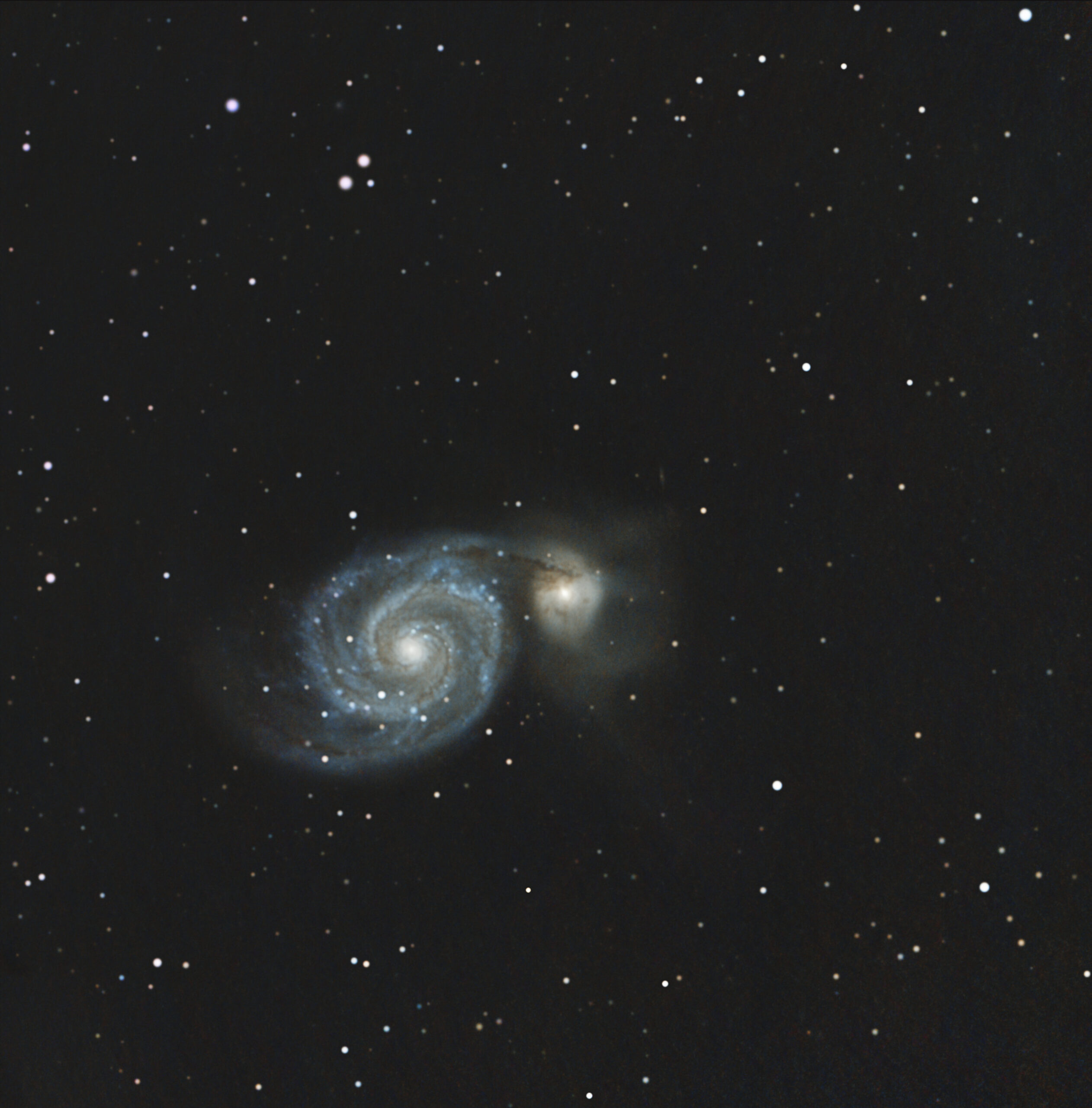
Whirpool Galaxy

 OSC · 180 min total · Canes Venatici constellation · March 2026

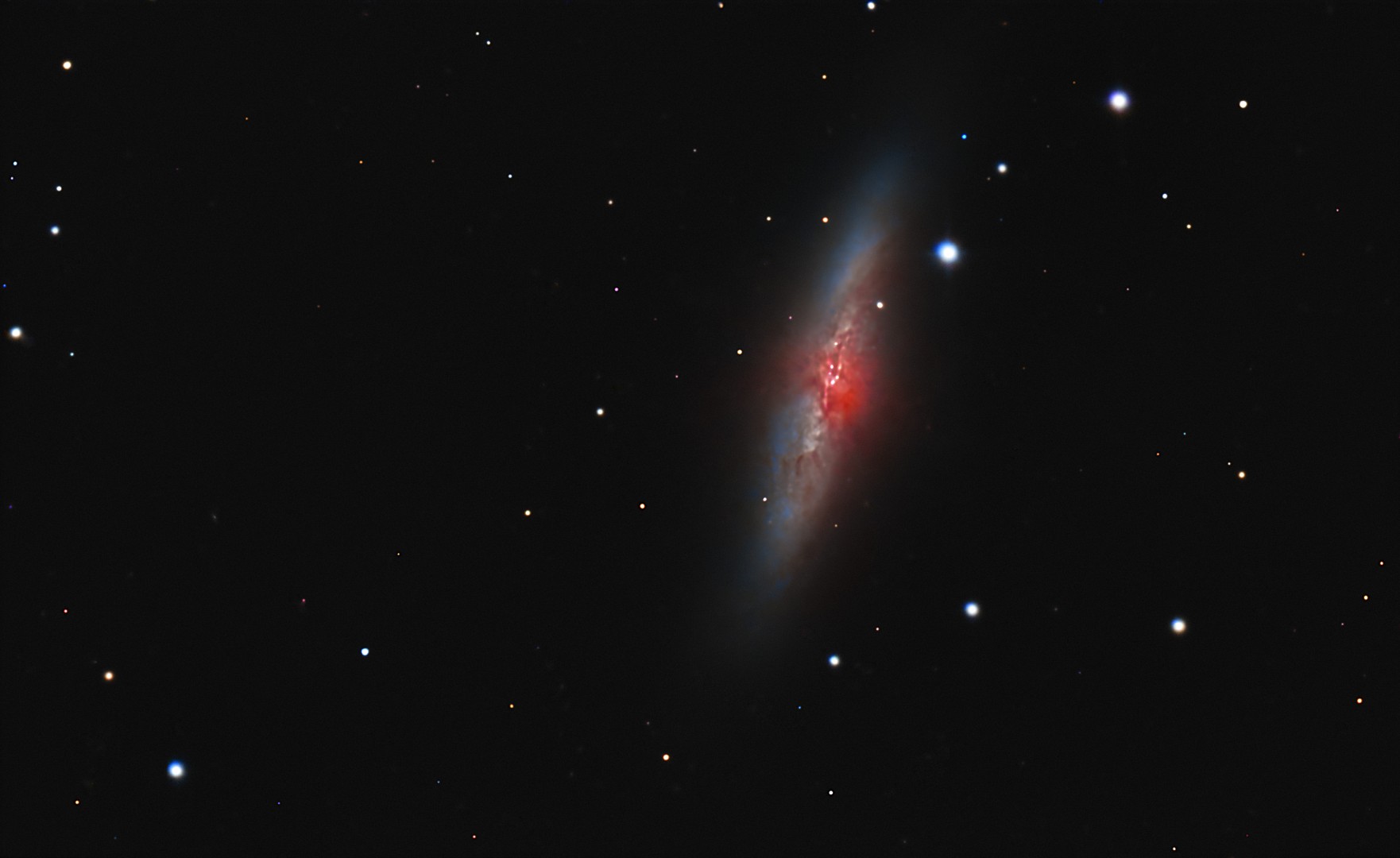
Cigar Galaxy

OSC · 300 min total · Ursa Major constellation · Jan 2026

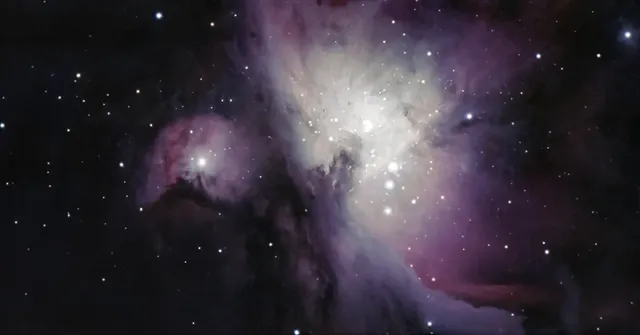
Orion Nebula

OSC · 20min total · Orion constellation · Dec 2025

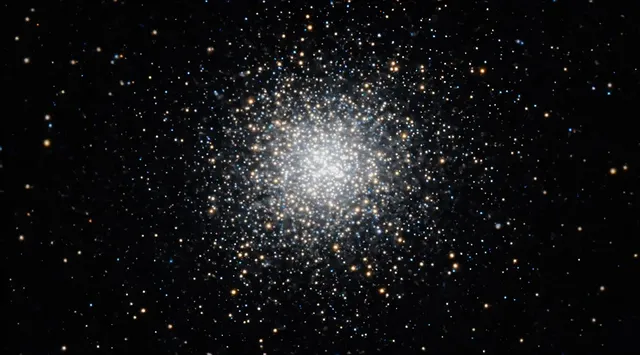
Hercules Globular Cluster

OSC · 20min total · Hercules constellation · August 2024

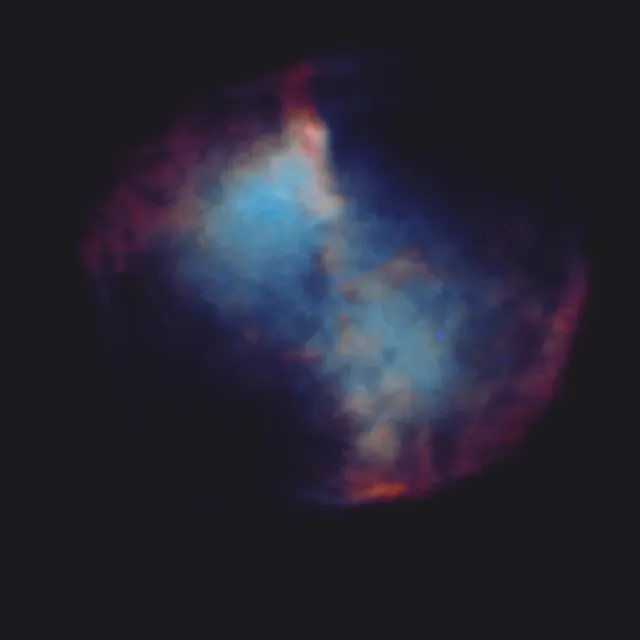
Dumbell Nebula (starless version)

OSC · 30min total · Vulpecula constellation · August 2025

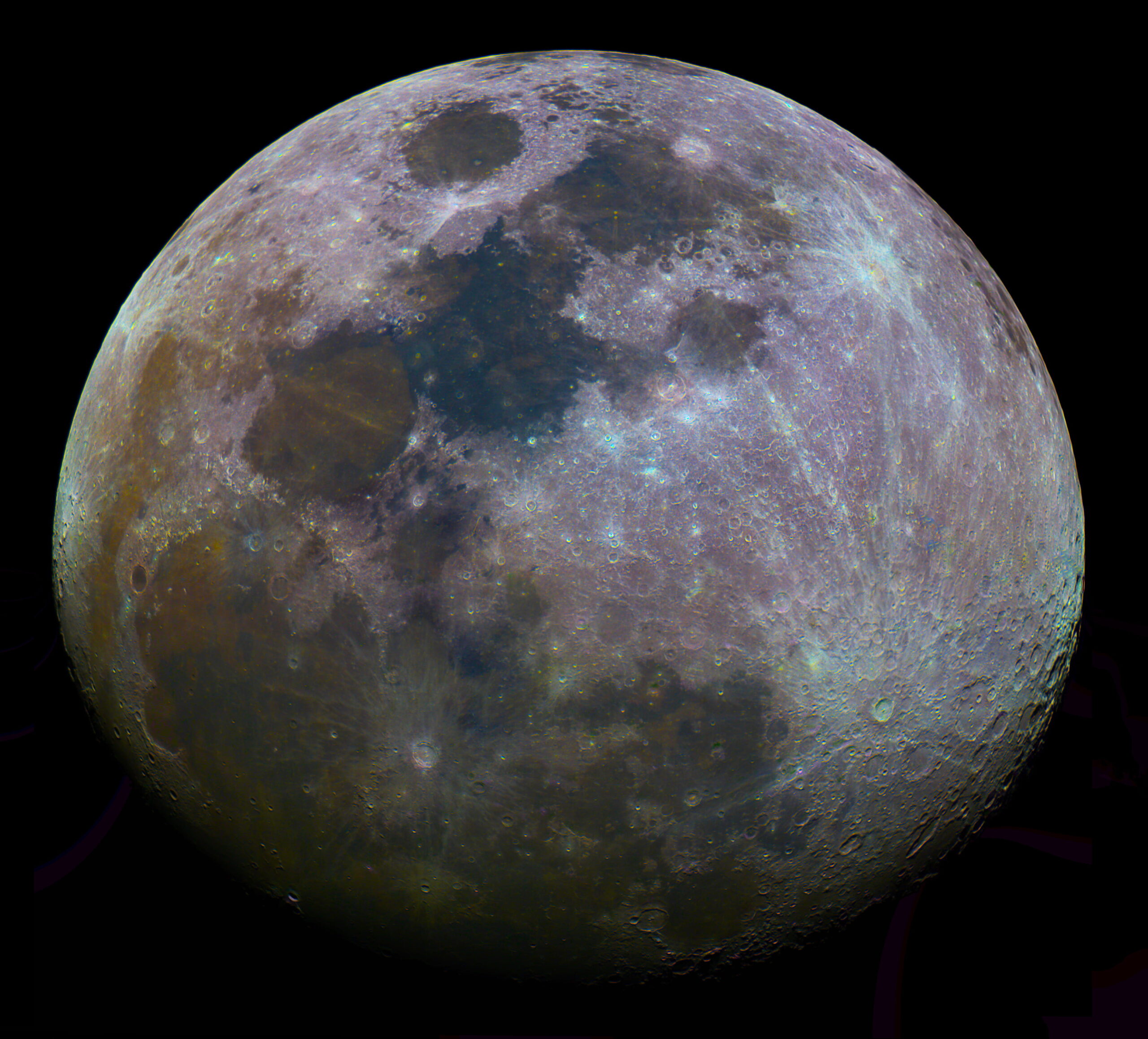
Mineral Moon

OSC · 10000 frames ·   March 2026

Learn Astrophotography Processing

From Raw Frames to Final Image

A practical walkthrough of my full processing workflow — from calibration frames to colour grade. Also the most needed part of Astrophotography

01

Calibration Frames

Apply bias, dark, and flat frames to correct sensor noise, thermal signal, and optical vignetting.

02

Integration & Stacking

Combine multiple exposures to improve signal-to-noise ratio and reveal faint image detail.

03

Background Neutralisation

Remove colour casts and normalise the background to achieve a neutral sky level.

04

Starless Processing

Separate stars from the image to allow  enhancement of nebula or galaxy structures.

05

Colour Mapping & Grade

Adjust colours to enhance balance tones, and improve overall image appearance.

The Universe

What We´re Looking At

Context for the cosmos – the science behind the objects I photograph

🌌

Emission Nebulae

Clouds of ionised gas — primarily hydrogen — that glow when radiation from nearby hot stars excites electrons, causing them to emit light as they fall back to lower energy states. The red-pink glow of H-alpha at 656nm is what narrowband astrophotography is built on.

H-alpha emission: 656.28nm wavelength

💫

Spiral Galaxies

Disk-shaped collections of hundreds of billions of stars, gas, and dust rotating around a central bulge. Spiral arms trace regions of active star formation. The Andromeda Galaxy, 2.5 million light-years away, is the most distant object visible to the naked eye.

Andromeda approaches at 110 km/s — collision in ~4.5Gyr

💥

Supernova Remnants

The expanding shells of gas and dust ejected when a massive star explode at end-of-life. These structures disperse heavy elements into the interstellar medium — the iron in your blood was forged in a stellar explosion billions of years ago.“

Crab Nebula expands at ~1,500 km/s from 1054 AD supernova

Stellar Evolution

Stars are nuclear fusion reactors, converting hydrogen to helium and releasing enormous energy. Mass determines everything — low-mass stars end as white dwarfs, while high-mass stars detonate as supernovae. Our Sun has ~5 billion years remaining on the main sequence.

Solar luminosity: 3.828 × 10²⁶ watts

🌠

Emission Nebulae

The observable universe extends 46 billion light-years in every direction — not because that’s its actual size, but because light from further away hasn’t had time to reach us yet. It contains an estimated 2 trillion galaxies. When you photograph a nebula 1,000 light-years away, you’re seeing light that left when the Normans were conquering England. When you photograph the Andromeda Galaxy, you see it as it was when Homo habilis first walked the savanna.

Observable universe diameter: ~93 billion light-years · ~10⁸⁰ atoms estimated

FAQ

Frequently asked questions by community

📷

What camera do I need for astrophotography?

You can start with almost any camera that allows manual settings — even some smartphones. A DSLR or mirrorless camera with manual exposure control is ideal for beginners. Popular starter brands include Canon, Sony, and Nikon.

🔭

Do I need a telescope?

Not necessarily. For Milky Way or nightscape photography, a wide-angle lens and tripod are enough. A telescope becomes useful for detailed images of planets, nebulae, or galaxies.

Why do my stars look blurry?

Common causes include:

  • Poor focus (manual focus on a bright star works best)
  • Camera shake (use a tripod and timer/remote shutter)
  • Too long exposure causing star trails
  • Atmospheric conditions like haze or turbulence

🌌

Can you do astrophotography without expensive gear?

Yes. Many beginners start with an entry-level camera, kit lens, and tripod. Learning technique often matters more than expensive equipment at the beginning.

🔍

How long does astrophotography take?

A session can last anywhere from 30 minutes to several hours depending on your subject, weather, and setup.